
03.10.22
Read More

The 98th annual meeting of the Midwestern Psychological Association was a huge success! This was our largest conference ever with more than 3800 people attending!
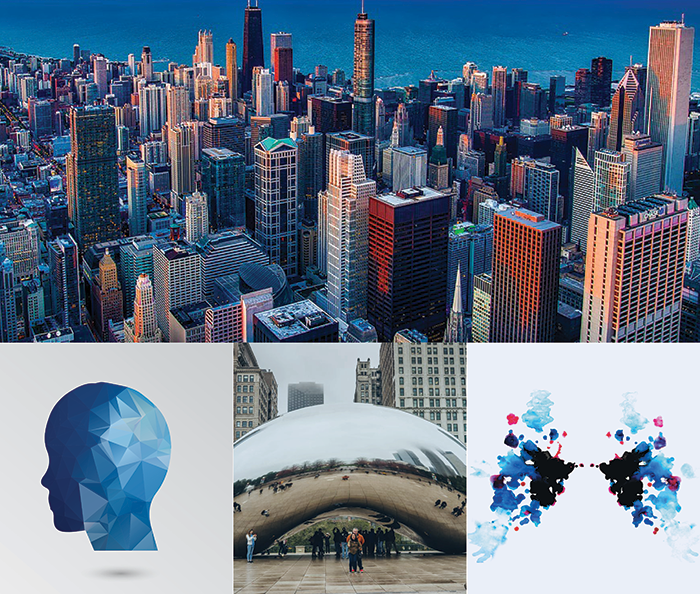
Once again, the venue for the 2027 conference will be the beautiful Palmer House Hilton, in Chicago, IL. Students, scholars, practitioners, and professionals will come to share their research, make new friends, and connect with psychological scientists from across the Midwest and the world.
The MPA program in 2026 included over 2200 research presentations from a broad range of disciplines and feature several keynote addresses and invited methodology workshops. MPA also hosted (as always) the meetings of Psi Chi (the psychology honour society for undergraduates), the Society for the Teaching of Psychology, and the Society for Community Research and Action.
The purpose of the MPA annual meeting is to share research across all areas of psychology.
The annual meeting features invited addresses and talks from leading psychologists across the United States, papers and posters addressing a wide range of topics in current psychological science, workshops addressing the teaching of psychology, research methods, and statistics, and discussion groups, roundtables, and social events where members can share ideas and interests.
The annual meeting is open to psychologists, students, and members of the public.
Thank you to our
Share your research, learn from others, and meet colleagues from across the Midwest, country, and world.
Stay in the Know